Nigeria’s Night: How African Talent Stole the Show at the 2026 BAFTAs
If you weren’t watching the 79th BAFTA Film Awards on Sunday night, here’s what you missed. Nigeria showed up, showed out, and made history at London’s Royal Festival Hall.
While the headline grabbers of the evening were Paul Thomas Anderson’s One Battle After Another and its six-trophy haul, the moments that truly stopped the room in its tracks belonged to Nigerian talent. Two wins. Two stories steeped in African identity and heritage. One unforgettable night.
Wunmi Mosaku Makes History
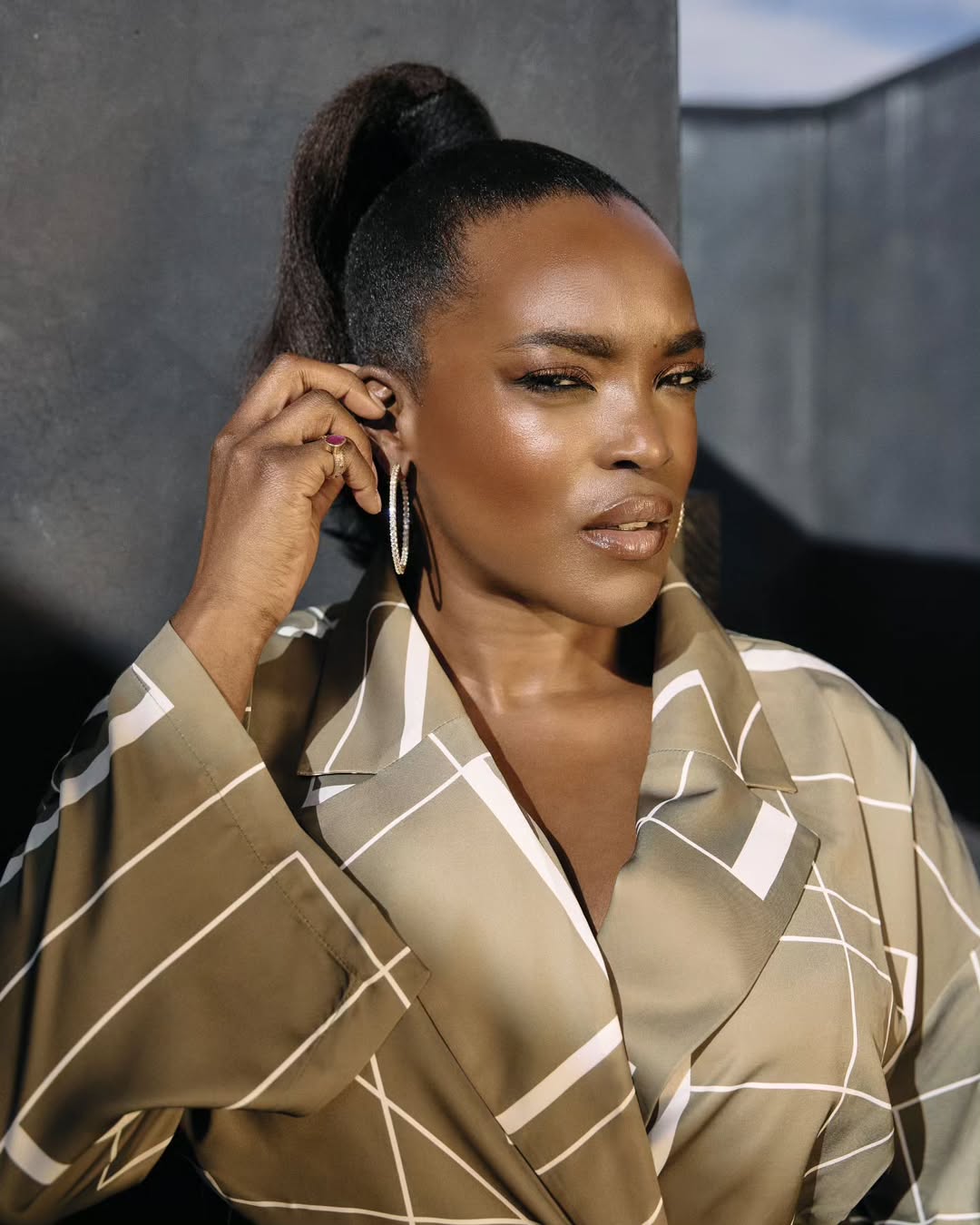
Photo Credit: wunmimosaku/Instagram
Let’s start with the woman who had the entire Royal Festival Hall on its feet.
Nigerian-born Wunmi Mosaku made history at this year’s ceremony, becoming the first Black British actress to receive the prestigious BAFTA Best Supporting Actress award. She earned it for her magnetic portrayal of Annie, a Hoodoo priestess in Ryan Coogler’s vampire horror drama Sinners, A performance that critics have called career-defining.
Born in Zaria, Nigeria, and raised in Manchester from the age of one, Mosaku trained at the Royal Academy of Dramatic Art and has spent years quietly building one of the most compelling careers in British acting. This is her second BAFTA win. She previously claimed the TV equivalent in 2017 for Damilola, Our Loved Boy — but this one feels different. Bigger. More personal.
Her acceptance speech said it all. Standing at the podium, she reflected:
“I found a part of myself in Annie, a part of my hopes, my ancestral power and connection, parts I thought I had lost or tried to dim as an immigrant trying to fit in.”
There wasn’t a dry eye in the house.
With an Oscar nomination also on the table for the same role, Wunmi Mosaku is not just having a moment, she is having a movement. And if the BAFTAs are anything to go by, Hollywood should be ready.
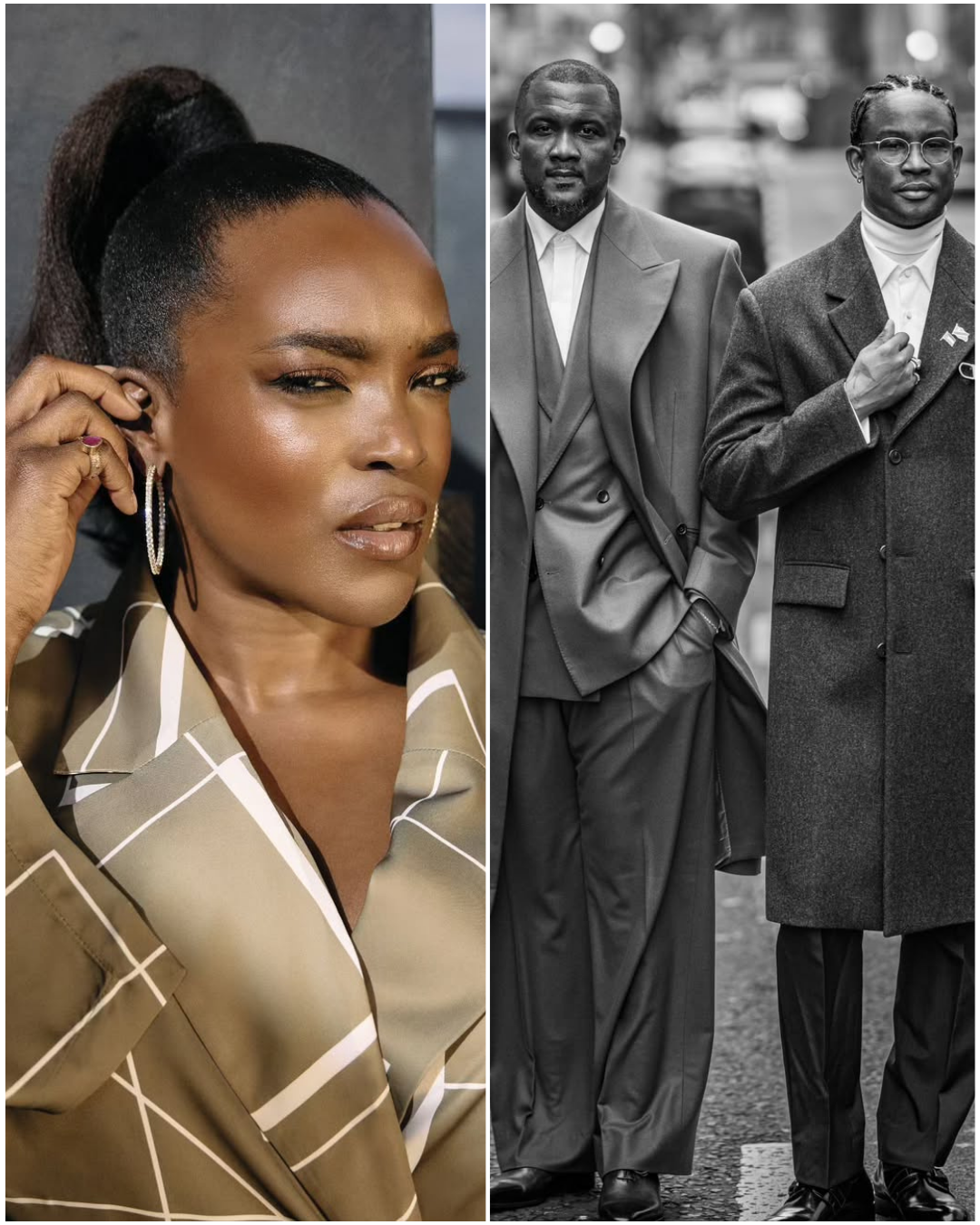
A Son’s Love Letter to Lagos
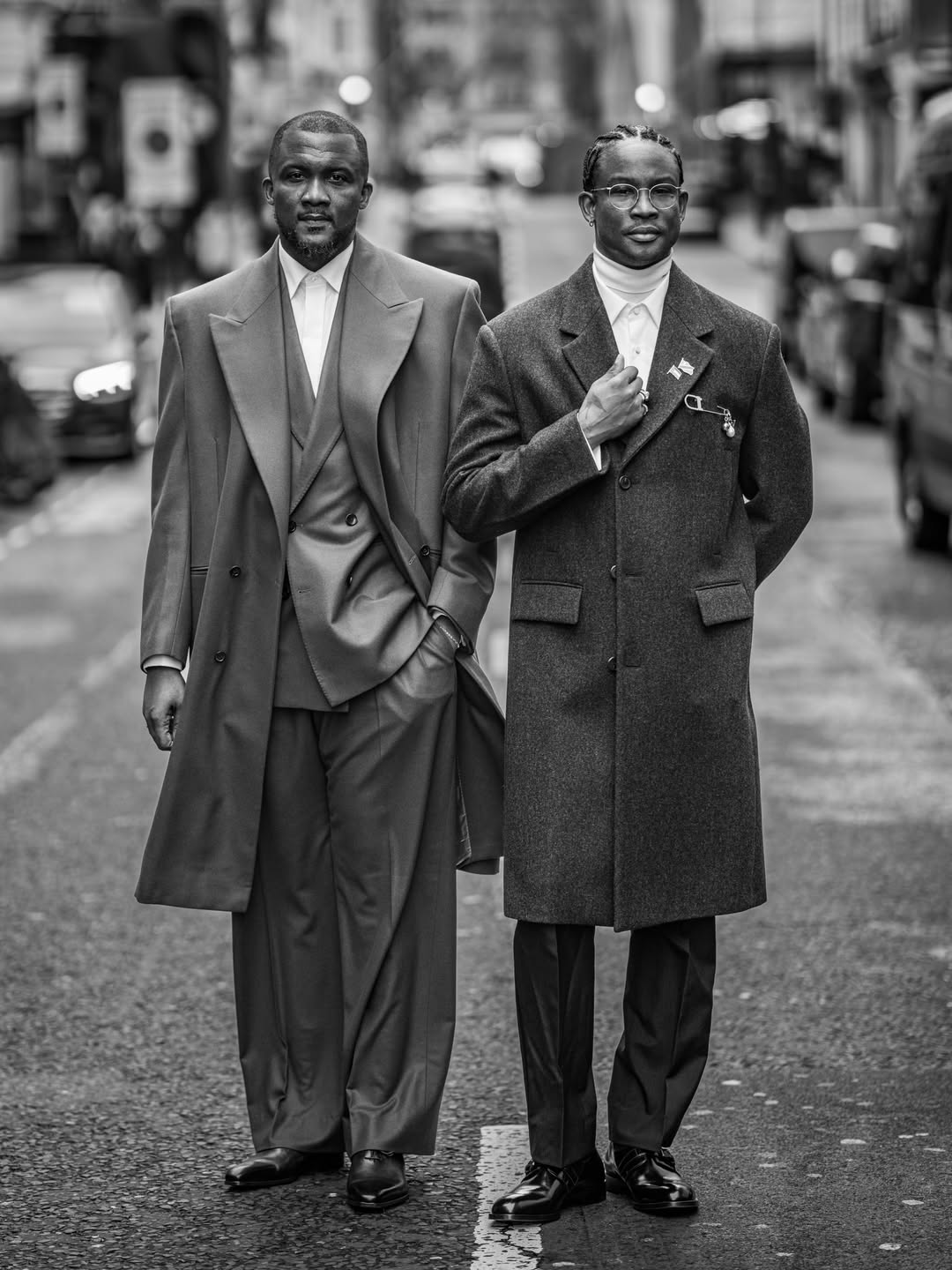
Photo Credit: misan harriman/ Instagram
The second win of the night for Nigerian creatives was equally moving, if not more so.
My Father’s Shadow, directed by Akinola Davies Jr. with a screenplay co-written by his brother Wale Davies, won Outstanding Debut by a British Writer, Director or Producer (DOL), one of the most coveted categories of the evening for emerging filmmakers.
The film is a deeply personal one. Set against the backdrop of the 1993 Lagos election, it previously made history as the first Nigerian production to be selected for the Cannes Film Festival’s prestigious Un Certain Regard section. (Buchanan Ingersoll & Rooney) It follows a father and his two young sons navigating a city on the edge and was shaped in no small part by the brothers’ grief over losing their own father.
To watch the Davies brothers take that stage at BAFTA, honouring their dad through their art, on one of cinema’s grandest stages, was nothing short of extraordinary.
Why This Matters
It would be easy to simply celebrate these wins as individual achievements and they absolutely are. But they represent something larger.
African storytelling has long been rich, complex and world-class. What is changing is that the world’s most prestigious platforms are finally beginning to reflect that truth. When a woman channels her immigrant identity and ancestral roots into a BAFTA-winning performance, and when two brothers turn personal grief into an internationally celebrated film rooted in Nigerian history, the message is loud and clear: African stories belong on every stage.
The Oscars take place on March 15th. Wunmi Mosaku is nominated. We will be watching.
What did you think of the BAFTAs this year? Drop your thoughts in the comments below, and don’t forget to share this post with a film lover who needs to know about these incredible wins.